
 By admin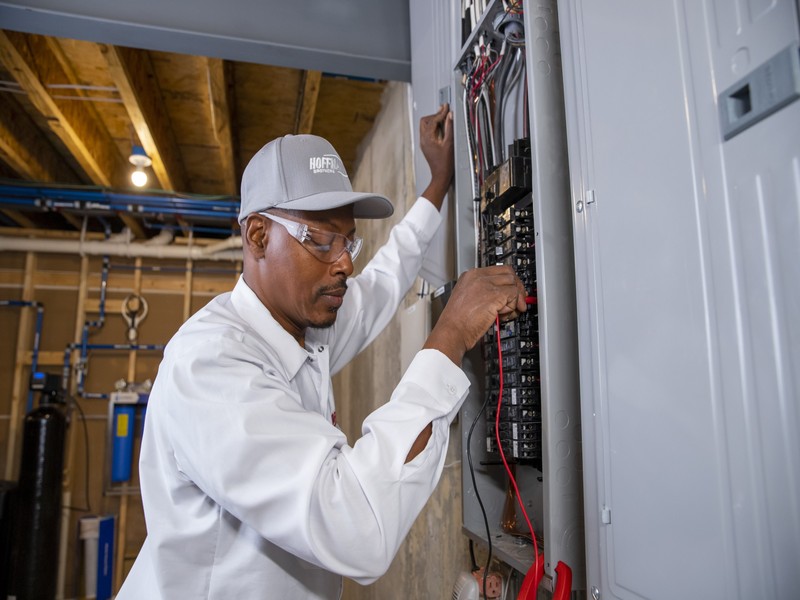
Commercial electricians play a crucial role in maintaining the safety and functionality of electrical systems within business environments. Ensuring these professionals adhere to strict safety standards is essential not only for their well-being but also for protecting property and minimizing operational disruptions. Businesses must understand key safety protocols that commercial electricians follow to foster a secure working environment.
One fundamental aspect of commercial electrician safety is compliance with the National Electrical Code (NEC). This code establishes guidelines on proper installation, maintenance, and inspection of electrical wiring and equipment. Adhering to NEC standards helps prevent electrical hazards such as short circuits, overloads, or faulty grounding. Regular updates to this code reflect evolving technologies and emerging risks, so electricians must stay informed about current requirements.
Personal protective equipment (PPE) is another critical element commercial electrician in frisco, tx electricians are required to wear appropriate PPE including insulated gloves, flame-resistant clothing, eye protection, and hard hats when working on or near live circuits. This gear minimizes exposure to electric shocks, burns, arc flashes, and falling objects. Employers should verify that all workers have access to high-quality PPE suited for specific tasks.
Proper lockout/tagout procedures are vital when performing maintenance or repairs on electrical systems. These procedures involve de-energizing equipment by isolating power sources before work begins. Lockout devices physically prevent machinery from being energized while tagout signs communicate warnings about ongoing work. Strict adherence reduces the risk of accidental energization which can cause serious injury or death.
Training programs focused on hazard recognition and safe work practices form the foundation for preventing accidents among commercial electricians. Workers receive instruction on identifying potential dangers like exposed wiring or overloaded circuits along with methods to mitigate those risks effectively. Ongoing education ensures that technicians remain competent in handling complex electrical installations safely under varied conditions.
Additionally, businesses should promote routine inspections conducted by qualified personnel who assess both existing installations and new projects for compliance with safety codes. Timely identification of defects allows corrective measures before incidents occur thereby enhancing overall workplace security.
Emergency response preparedness also contributes significantly toward managing unforeseen events involving electricity-related injuries or fires within commercial settings. Electricians must be familiar with first aid techniques pertinent to electric shock victims as well as fire suppression strategies tailored for electrical fires using non-conductive extinguishing agents instead of water-based solutions.