
 By admin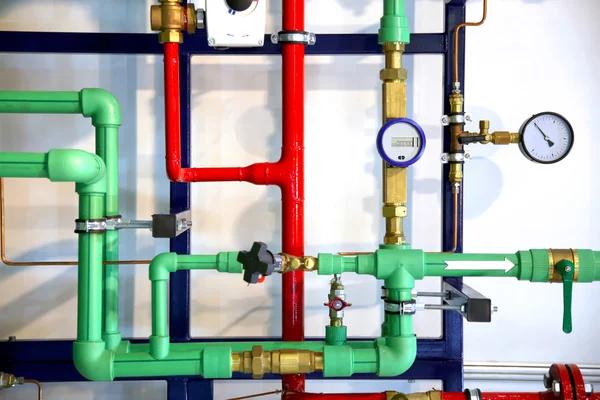
When a boiler suddenly stops producing heat, it can create an uncomfortable and urgent situation, especially during colder months. Quick boiler repair solutions for no-heat emergencies are essential to restore warmth efficiently and safely. The first step in addressing a no-heat issue is to check the thermostat settings. Sometimes, the problem is as simple as the thermostat being set too low or accidentally switched off. Ensuring that the thermostat is on heating mode and set above room temperature can often resolve minor issues without further intervention.
If adjusting the thermostat does not restore heat, examining the power supply to the boiler is crucial. Boilers require electricity to operate their controls and ignition systems; therefore, checking circuit breakers or fuses connected to the boiler’s power source may reveal a tripped breaker or blown fuse that needs resetting or replacing. Additionally, verifying that any external switches controlling power to the unit are turned on helps avoid unnecessary service calls.
Another common cause of no heat from a boiler involves low water pressure within the system. Most boilers rely on adequate pressure levels between 1 and 2 bars for optimal function. A quick inspection of the pressure gauge can indicate whether this parameter has dropped below plumber near me acceptable limits due to leaks or routine water loss over time. Repressurizing by adding water through a filling loop valve restores proper operation quickly but must be done carefully following manufacturer guidelines.
Sometimes air trapped inside radiators prevents hot water circulation throughout your home’s heating network, leading to cold rooms despite an operational boiler unit. Bleeding radiators with proper tools releases trapped air pockets allowing warm water flow again and restoring comfort promptly.
In cases where these basic checks do not solve the problem, inspecting pilot lights or ignition systems becomes necessary if your model uses them rather than electronic ignition controls. A pilot light out means no flame ignites fuel combustion; relighting it according to safety instructions may bring back heat production swiftly unless underlying faults exist requiring professional attention.
If unusual noises accompany failure symptoms such as banging sounds or gurgling pipes alongside no heat output, sediment buildup inside pipes might be obstructing flow rates necessitating flushing procedures by experienced technicians.
While some repairs can be handled independently using manufacturer manuals and safety precautions-such as resetting controls or bleeding radiators-more complex issues involving gas supplies, electrical components, or internal parts demand qualified professionals’ expertise for safe resolution without risk of injury or damage.
Having regular maintenance schedules reduces emergency breakdown chances significantly by identifying wear signs early before complete failure occurs during critical times when immediate heating restoration matters most for health and property protection purposes.
In summary, addressing no-heat emergencies starts with simple troubleshooting steps like checking thermostats, power supplies, pressure levels, radiator airlocks, and pilot flames before escalating interventions require expert help ensuring fast recovery from inconvenient disruptions effectively keeping homes warm when needed most.