
 By admin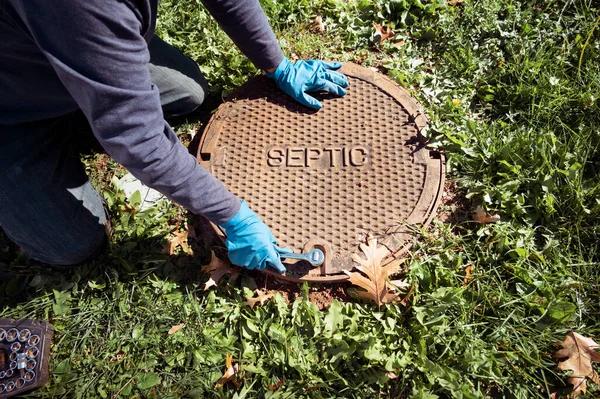
Septic systems play a crucial role in managing household wastewater, and maintaining their proper function is essential to prevent costly repairs and environmental hazards. When it comes to septic system care, two main approaches exist: emergency maintenance and preventive maintenance with regular inspections. Understanding the differences between these services can help homeowners make informed decisions that protect their property and extend the life of their septic system.
Emergency septic maintenance occurs when a problem has already developed, often causing significant inconvenience or damage. This type of service typically involves addressing issues such as sewage backups, system failures, or blockages that disrupt normal operation. Emergency repairs are usually urgent because they impact health and safety by potentially exposing residents to harmful bacteria or unpleasant odors. These situations require immediate attention from experienced professionals who can diagnose the cause quickly and implement effective solutions. However, emergency interventions tend to be more expensive due to the urgency involved and possible extensive repairs needed after neglecting routine care.
Septic Tank Inspection
In contrast, preventive septic maintenance focuses on avoiding emergencies through regular inspections and scheduled servicing before problems arise. Preventive measures include routine pumping of the septic tank to remove accumulated solids that could clog drain fields, checking for leaks or cracks in components, ensuring proper water flow within the system, and assessing overall functionality on a consistent basis. By detecting minor issues early during inspections, technicians can recommend timely fixes that prevent larger complications later on. check this service proactive approach not only saves money over time but also minimizes disruption by keeping the system running smoothly year-round.
Regular inspection services are integral to preventive maintenance because they provide detailed assessments of a septic system’s condition without waiting for visible signs of failure. Inspections allow experts to evaluate critical parts such as baffles, pipes, filters, tanks, and soil absorption areas while identifying potential risks like tree root intrusion or soil saturation problems caused by excessive water use around the home. Homeowners benefit from these evaluations since they receive professional advice tailored specifically for their property’s needs.
Choosing between emergency response services and preventive upkeep depends largely on how well a homeowner maintains their septic system initially. Those who invest in periodic inspections reduce chances of unexpected breakdowns significantly compared to those who ignore early warning signals until an emergency arises. While emergencies demand swift action under stressful circumstances with higher costs involved, prevention offers peace of mind alongside long-term savings by preserving both environmental quality and property value through responsible stewardship.
Ultimately, integrating regular inspection schedules into one’s home maintenance routine represents best practice for safeguarding against septic failures rather than relying solely on reactive emergency repairs after damage has occurred. Professional guidance combined with planned upkeep ensures optimal performance while protecting public health concerns related to wastewater management systems commonly found in rural areas lacking centralized sewer connections.
Gray Septic Solutions
Savannah, GA 31405
912-661-4089