
 By admin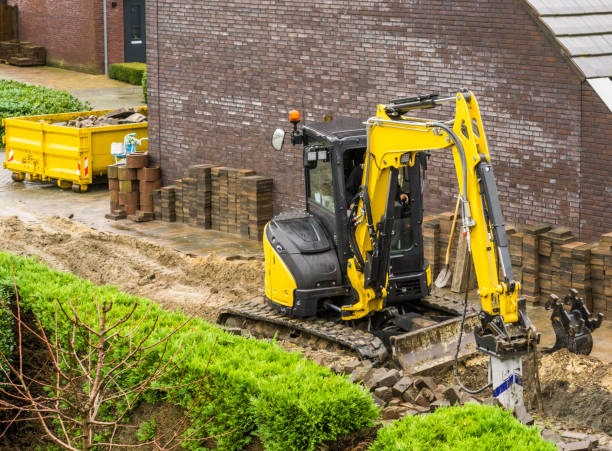
Construction and excavation are fundamental processes in the creation of any built environment, playing a pivotal role in ensuring the strength and durability of structures. These activities are integral to laying strong foundations, which are crucial for the stability and longevity of buildings, bridges, roads, and other infrastructures. The importance of construction and excavation cannot be overstated as they provide the essential groundwork upon which all other building activities depend.
The process begins with excavation, a critical step that involves removing soil or rock from a site to create a cavity or trench where foundations can be laid. This is not merely about digging holes; it requires precise planning and execution click to find out ensure that the ground is stable enough to support the weight of the structure above it. Excavation addresses issues such as soil composition, water drainage, and earth pressure — factors that could compromise structural integrity if not properly managed. By understanding these elements through careful analysis and testing before breaking ground, engineers can design foundations that effectively distribute loads across suitable areas.
Once excavation has been completed successfully, construction teams proceed with laying down foundations. Foundations are essential because they transfer loads from buildings into the ground without causing settlement or movement that could lead to structural damage over time. There are various types of foundations used depending on factors like soil type, environmental conditions, load requirements, and architectural design — including shallow footings for smaller structures or deep pile systems for larger edifices requiring additional support due to poor subsoil conditions.
Moreover, robust foundation work ensures resistance against natural forces such as earthquakes or floods by anchoring structures firmly into place while allowing slight movements without cracking under stress. This resilience is particularly important in regions prone to seismic activity where specialized techniques like base isolators may be incorporated during construction phases.
In addition to providing physical support for structures above them; effective excavation practices also contribute significantly towards sustainability efforts within modern architecture projects today by minimizing waste production through efficient material management strategies alongside employing eco-friendly technologies wherever possible throughout both preparatory stages involved prior actual build commencement itself thereby reducing overall carbon footprint associated traditional methods previously utilized past decades gone-by now outdated replaced newer more innovative solutions currently available industry-wide globally speaking too!
In conclusion: Construction paired together seamlessly alongside expert-level excavations remains cornerstone aspect underpinning successful implementation any project regardless size scope complexity involved therein ultimately guaranteeing safety long-term viability end-users alike benefiting immensely result thereof achieved via meticulous attention detail applied every step way ensuring nothing left chance whatsoever!