
 By admin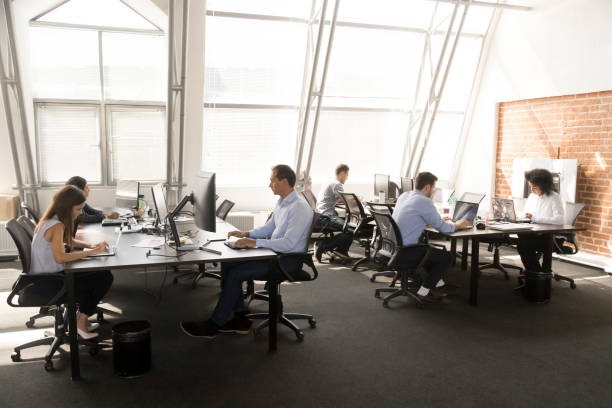
Creating a well-organized office environment is essential for enhancing productivity, promoting efficiency, and fostering a positive work atmosphere. The layout of office furniture plays a crucial role in achieving these goals. Thoughtful planning and arrangement can transform any workspace into an organized haven that supports both individual tasks and collaborative efforts.
When considering the layout of office furniture, it’s important to start with a clear understanding of the space available. Measure the dimensions accurately to ensure that all pieces fit comfortably without overcrowding. This will also help in visualizing different configurations before making any purchases or rearrangements.
The next step is to prioritize functionality over aesthetics. While style is important, it should not compromise uncover the secrets practicality of your workspace. Choose furniture that suits the specific needs of your team and aligns with their workflow patterns. For instance, ergonomic chairs and adjustable desks are vital for employee comfort during long working hours.
A key aspect of effective office furniture layout is creating defined zones within the space. Designate areas for different activities such as individual workstations, meeting rooms, break areas, and collaborative spaces. This zoning approach helps in minimizing distractions by clearly delineating between focused tasks and interactive sessions.
Consider traffic flow when arranging furniture to ensure ease of movement throughout the office. Avoid placing large items like cabinets or desks near entryways or high-traffic paths to prevent congestion. Clear pathways contribute significantly to maintaining an organized appearance while reducing potential safety hazards.
Incorporating storage solutions into your layout is another critical factor for organization. Use filing cabinets, shelves, or storage units strategically placed around the office to keep clutter at bay and maintain a tidy environment. Encourage employees to utilize these resources effectively by providing labels or color-coded systems for easy access.
Lighting can often be overlooked but plays a significant role in how an office feels and functions. Ensure that natural light sources are unobstructed by bulky furniture arrangements; this not only enhances mood but also reduces eye strain caused by artificial lighting.
Flexibility should be built into your design plan wherever possible—modular furniture options allow for quick reconfigurations based on changing needs or team dynamics without requiring major overhauls each time adjustments are necessary.
Finally, involve employees in discussions about layout changes since they have firsthand experience with what works best day-to-day within their respective roles—this inclusion fosters ownership over shared spaces leading towards more conscientious upkeep overall!
By focusing on these fundamental tips when organizing your office’s furnishings you’ll create an efficient yet inviting workplace conducive towards higher levels engagement among staff members ultimately boosting performance across board!